LOOTDECK
A downloadable game
Project Context
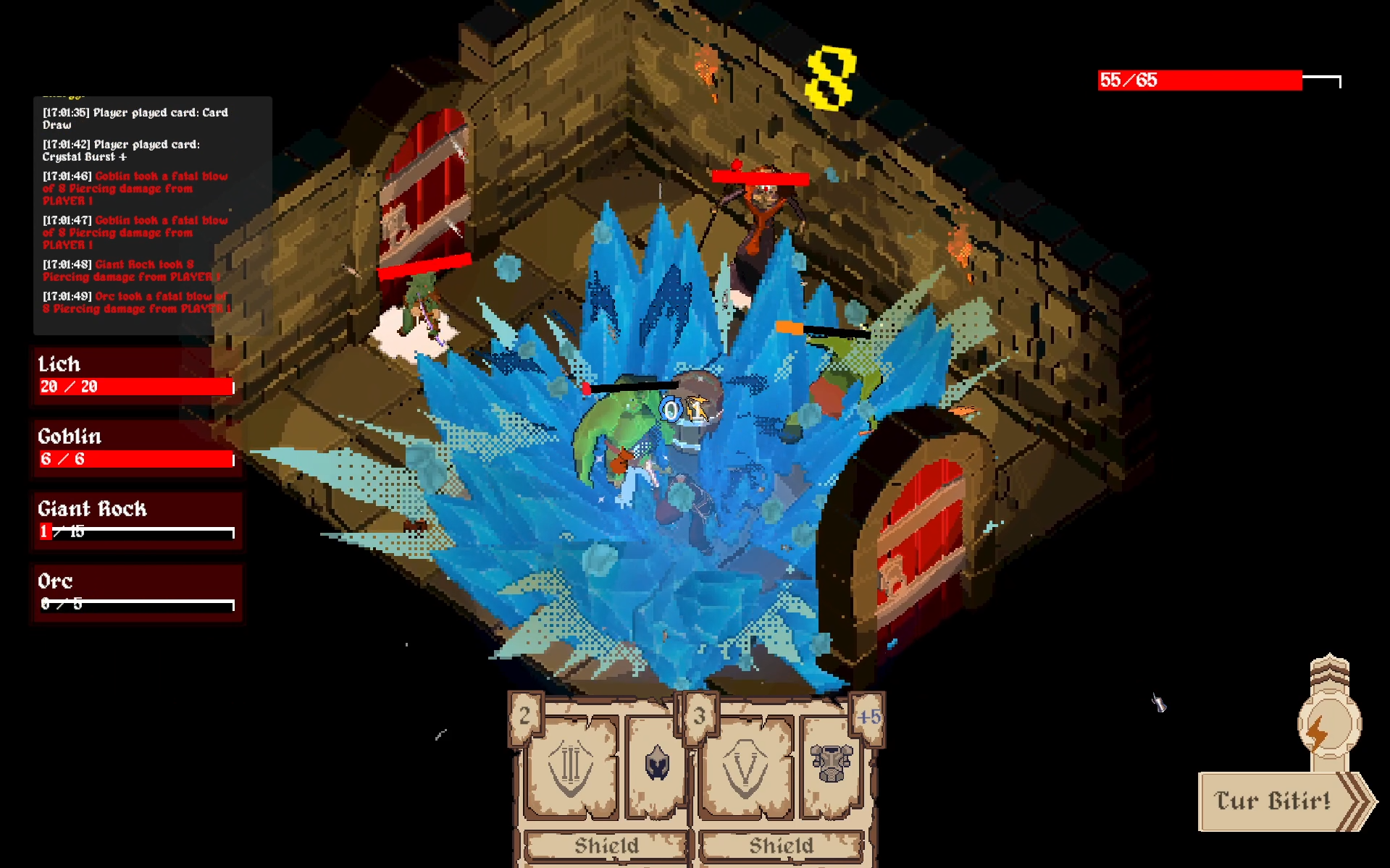
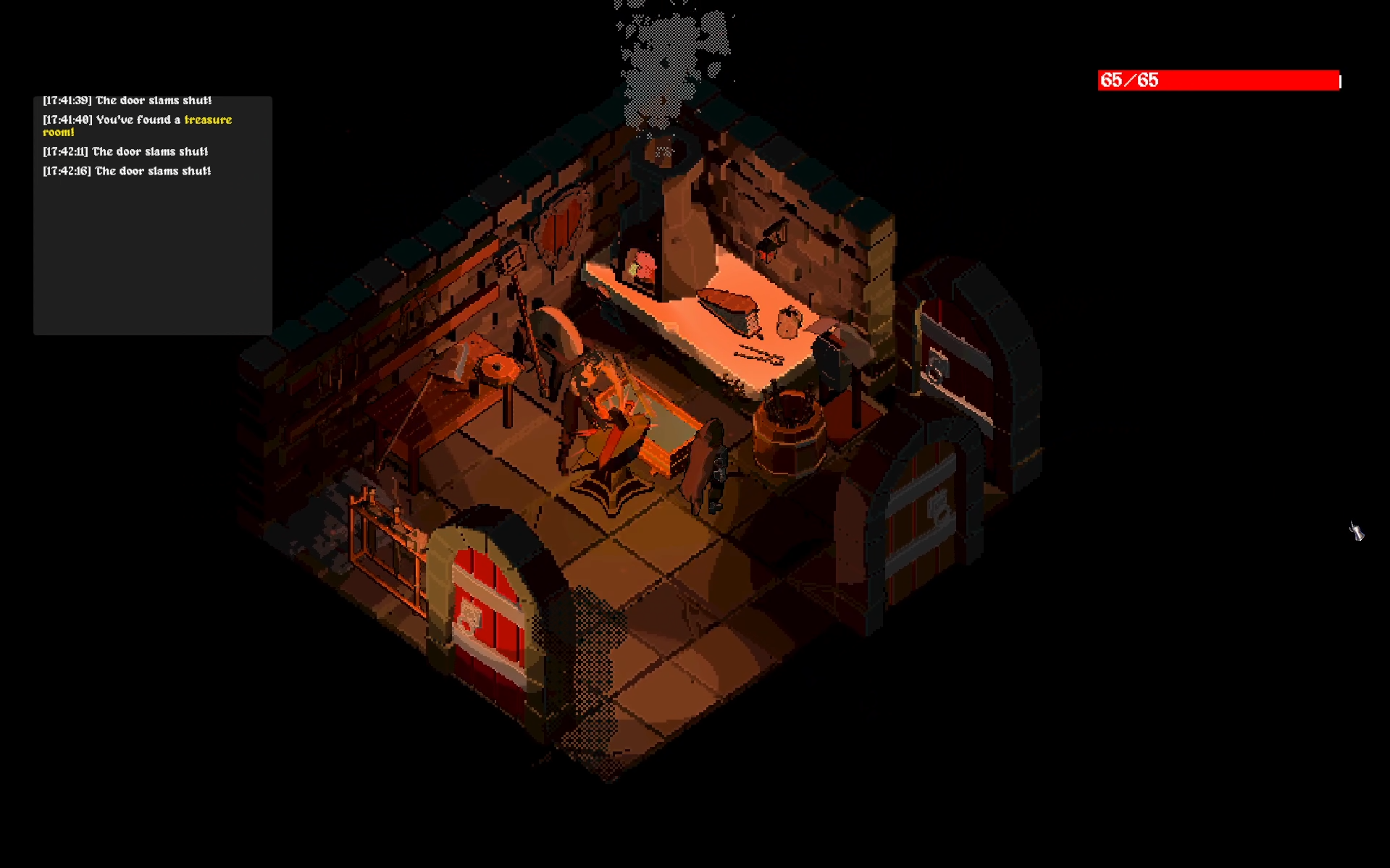
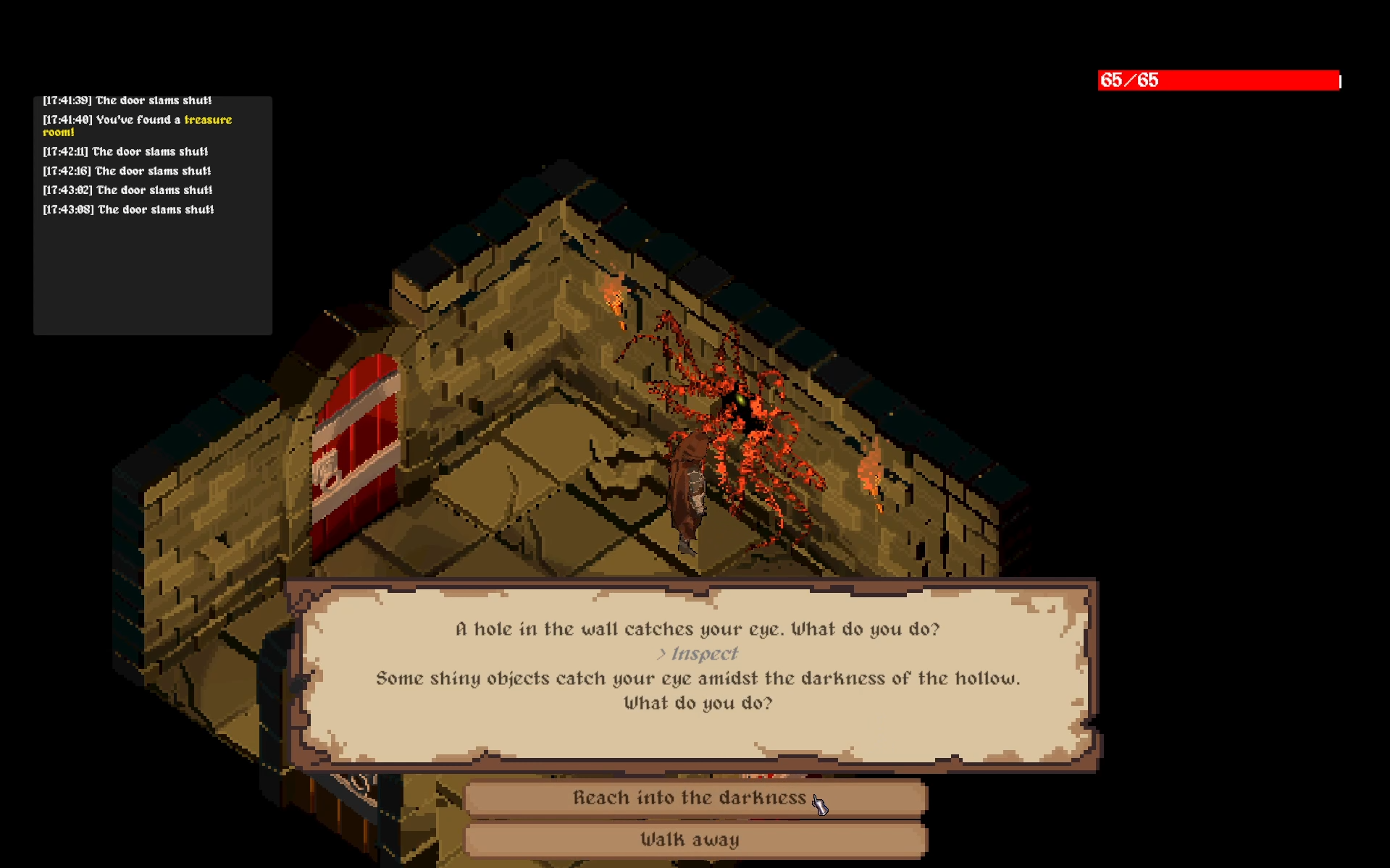
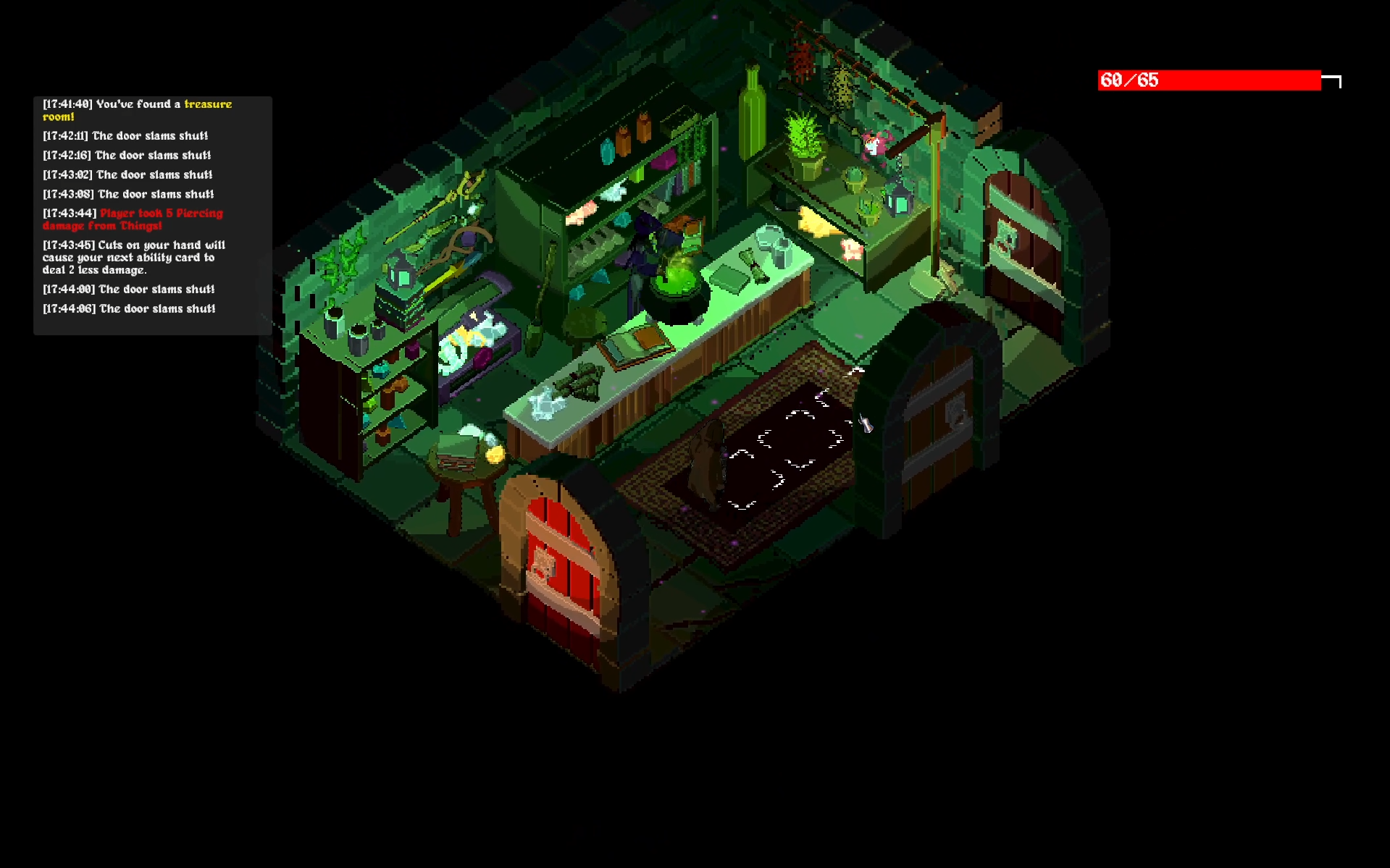
Lootdeck is an actively developing, turn-based tactical deck-building game. Initiated during a three-month intensive development period over the summer, the project continues to evolve through iterative updates and system refinements. It serves as a practical implementation of advanced digital game design principles, built upon a strictly data-driven architecture. The current build is a work in progress, designed not merely as a standalone prototype, but as a scalable and highly modular tactical role-playing game engine intended for continuous expansion.
Technical Architecture & System Design
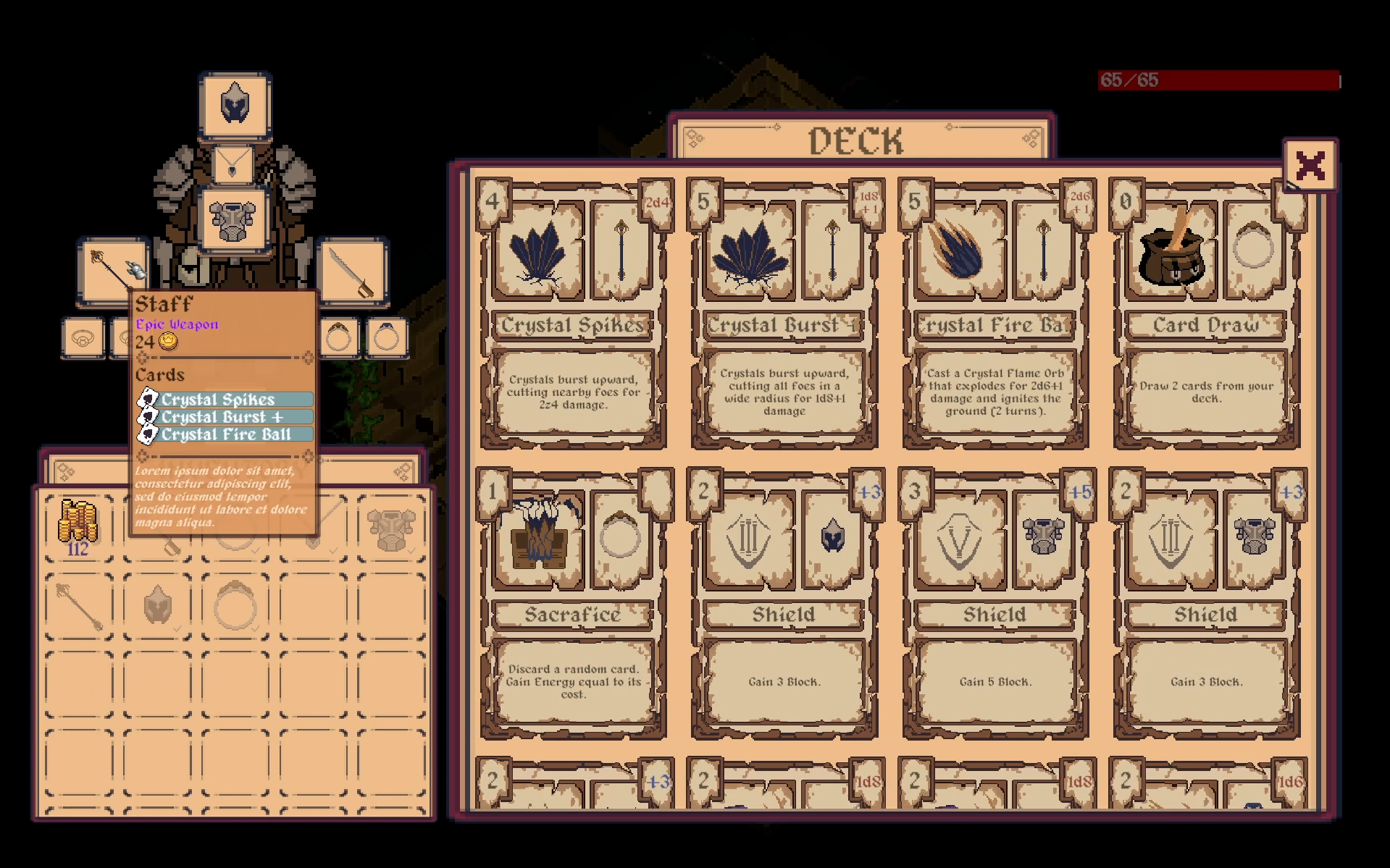
- Data-Driven Content Pipeline: The core architecture isolates game logic from content generation. All game entities—including card abilities, status effects, equipment attributes, and enemy profiles—are structured as modular data containers. This separation of concerns facilitates rapid iteration and content expansion without necessitating direct codebase modifications.
- Polymorphic Combat and Effect Resolution: The combat mechanics utilize structural design patterns (such as Strategy and Observer patterns) to manage complex interactions. Advanced mechanics, including damage-over-time, conditional triggers, stack consumption, and damage reflection, are handled polymorphically. This ensures that any entity within the game interacts with the world through a universal and unified set of rules.
- Deterministic Spatial Logic: Movement, area-of-effect calculations, line-of-sight verifications, and kinetic interactions (such as knockbacks) are resolved on a coordinate-based matrix. By decoupling these mechanics from a standard continuous physics engine, the system guarantees mathematical precision and predictability, which are critical requirements for tactical gameplay.
- Utility-Based Artificial Intelligence: Enemy behavior is governed by a utility-scoring algorithm. AI agents continuously evaluate potential actions against their assigned tactical profiles—evaluating factors such as optimal range maintenance, aggressive melee engagement, or self-preservation. This allows for dynamic and strategic turn planning based on the current board state rather than rigid decision trees.
- Asynchronous Execution and Event-Driven Interface: The user experience, encompassing dynamic inventory drag-and-drop systems, real-time deck manipulation, and physics-based trading mechanics, operates on an event-driven architecture.
Contact Me
- Email: hamzaakgonul789@gmail.com
- LinkedIn: linkedin.com/in/hamza-akgonul
Leave a comment
Log in with itch.io to leave a comment.